GLOBETROTTER SCIENCE SITE
  • Home
  • ABOUT
  • COURSES
    • Anatomy
    • Biology >
      • Biology Syllabus
      • Course Content >
        • Unit 1: Intro to Biology
        • UNIT 2: Biochemistry
        • UNIT 3: Cells
        • UNIT 4: Cell Processes
        • UNIT 5: Molecular Genetics
        • UNIT 6: Inheritance Genetics
        • UNIT 7: Evolution & Adaptation
        • UNIT 8: Ecology
        • BIO EOC EXAM REVIEW
    • CHEMISTRY >
      • Chemistry Syllabus
      • Course Content >
        • Unit 1: Intro to Chemistry
        • Unit 2: Thermochemistry
        • Unit 3: Atomic Structure & Nuclear Chem
        • Unit 4: Periodic Table
        • Unit 5: Chemical Bonding
        • Unit 6: Chemical Reactions
        • Unit 7: Stoichiometry
        • Unit 8: Solutions
        • Unit 9: Chemical Equations
        • Unit 10: Acids & Bases
        • Chem Final Exam Review
    • Earth Science >
      • Earth Science Syllabus
      • Course Content >
        • Unit 1: Intro to Earth Science
        • Unit 2: Biosphere & Sustainability
        • Unit 3: Lithosphere (Geology)
        • Unit 4: Hydrosphere
        • Unit 5: Atmosphere
        • Unit 6: Astronomy
        • ES FINAL EXAM REVIEW
    • Marine Science >
      • Marine Syllabus
      • COURSE CONTENT >
        • UNIT 1: INTRO TO MARINE SCIENCE
        • UNIT 2: OCEAN ENVIRONMENT
        • UNIT 3: MICROBES & PRIMARY PRODUCERS
        • UNIT 4: INVERTEBRATES
        • UNIT 5: MARINE FISHES
        • UNIT 6: MARINE REPTILES & BIRDS
        • UNIT 7: MARINE MAMMALS
        • UNIT 8: INTERTIDAL, ESTUARIES & CORAL REEFS
        • UNIT 9: CONTINENTAL SHELVES, OPEN SEA & DEEP OCEAN
        • UNIT 10: HUMANS & THE SEA
        • MS FINAL EXAM REVIEW
      • RESOURCES
    • Physical Science >
      • Phys Sci Syllabus
      • Course Content >
        • Unit 1: Intro to Physical Sci
        • Unit 2: Motion
        • Unit 3: Forces
        • Unit 4: Work, Power & Energy
        • Unit 5: Electricity & Magnetism
        • Unit 6: Waves
        • Unit 7: Matter
        • Unit 8: Atomic Structure
        • Unit 9: The Periodic Table
        • Unit 10: Chemical Bonding
        • Unit 11: Chemical Reactions
        • Unit 12: Acids, Bases & Solutions
        • PS FINAL EXAM REVIEW
  • ENRICHMENT
    • Equine Science
  • ESL
    • ESL Biology
    • ESL Earth Science >
      • Course Content >
        • Welcome
        • UNIT 1: Intro to Earth Science
        • UNIT 2: Environmental Science
        • UNIT 3: Biosphere
        • UNIT 4: Lithosphere
        • UNIT 5: Hydrosphere
        • UNIT 6: Atmosphere
        • UNIT 7: Astronomy
  • TUTORING
  • CONTACT
< PREVIOUS
NEXT >
Picture

UNIT 4: CELL

​ PROCESSES

(7 DAYS)

​
Cells undergo many processes for survival including using energy, replacing old or damaged cells and preparing for reproduction. Photosynthesizing plants and organisms use radiant energy from the sun and store it in the bonds of glucose. Glucose can then be broken down as needed to provide energy for cell processes. 


​​NC STANDARDS
Bio.1.2 Analyze the cell as a living system.
Bio 4.2 - Analyze the relationships between biochemical processes and energy use in the cell.

Bio 4.2.1 - Analyze photosynthesis and cellular respiration in terms of how energy is stored, released, and transferred within and between these systems.
ESSENTIAL QUESTIONS
Energy in Cells
1. How is energy used and produced to ensure survival of an organism?
2. How does ATP store and release energy?
3. How does photosynthesis convert the sun’s energy in glucose?
4. How do aerobic respiration and anaerobic respiration release energy stored in food?
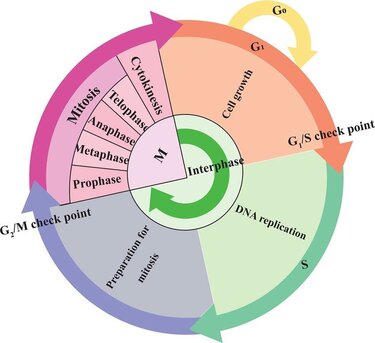
Cell Cycle
1. What is the Cell Cycle?
2. What is the sequence and function of Mitosis?

WARM UPS
UNIT 4 PRIME TIMES
​PRIME TIME SHEET

DAY 1: PHOTOSYNTHESIS & CELLULAR RESPIRATION
NOTES-Photosynthesis & Cellular Respiration
Guided Notes-Photosyn & Cell Respiration


STUDYJAM PHOTOSYNTHESIS VIDEO
cellrespcoloring.pdf
File Size: 208 kb
File Type: pdf
Download File

photosynthesis_coloring.pdf
File Size: 192 kb
File Type: pdf
Download File


DAY 2: AEROBIC & ANAEROBIC RESPIRATION
NOTES-Aerobic & Anaerobic
Guided Notes-Aerobic & Anaerobic
Fermentation CK12
​Exit Ticket-Fermentation
LAB
Alcoholic Fermentation

Alcoholic Fermentation LAB REPLACEMENT
VOCABULARY
​ATP
​ATP-ADP cycle Photosynthesis Respiration Chloroplast Chlorophyll Calvin Cycle Aerobic Respiration Anaerobic respiration Fermentation Lactic Acid Alcoholic Fermentation

​Cell division
Parent cell Daughter cell Interphase
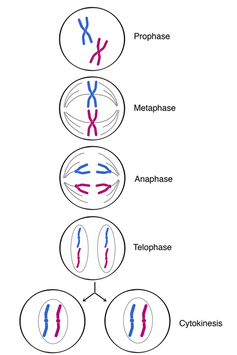
Mitosis
Prophase
Sister chromatids Centromere Metaphase Anaphase Telophase Cytokinesis
Asexual reproduction 


DAY 3: CELL CYCLE & MITOSIS
NOTES-Cell Cycle & Mitosis
Guided Notes-Cell Cycle & Mitosis
Mitosis Drag & Drop Labeling
​
cell_cycle_coloring.pdf
File Size: 36 kb
File Type: pdf
Download File

HONORS
Mitosis & Cancer
pogil_mitosis.pdf
File Size: 646 kb
File Type: pdf
Download File

Picture

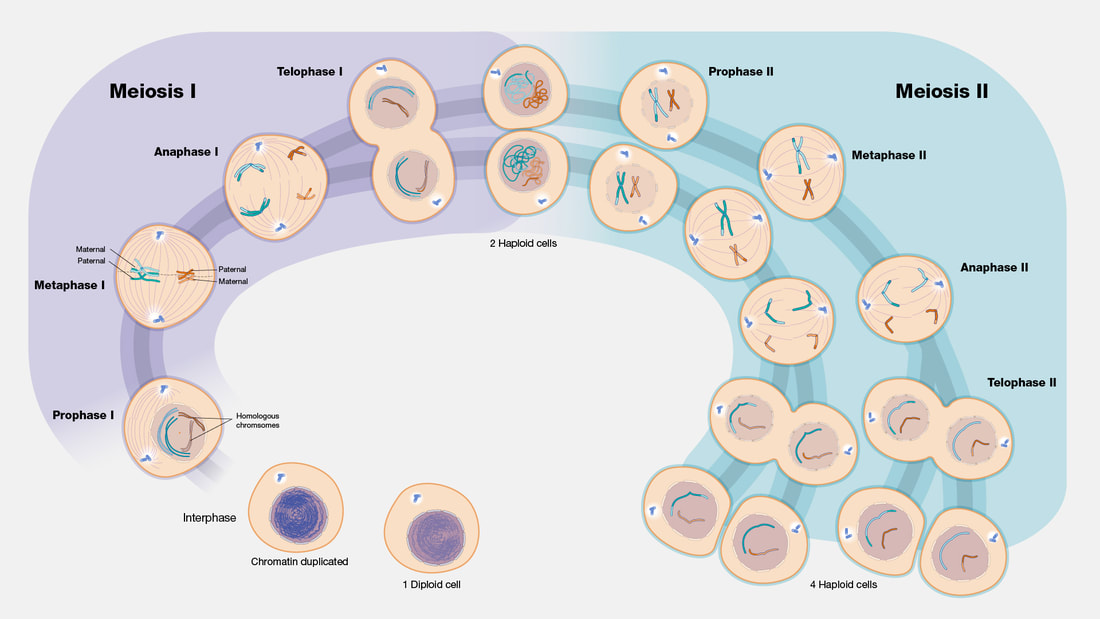
DAY 4: MEIOSIS
NOTES-Meiosis
Guided Notes-Meiosis
Meiosis Labeling
HONORS
Application-Down Syndrome
pogil_meiosis.pdf
File Size: 854 kb
File Type: pdf
Download File

Picture

DAY 5: MITOSIS vs MEIOSIS
NOTES-Mitosis vs Meiosis
Mitosis/Meiosis Comparison Chart
Task Cards Cell Reproduction
Task Cards Answer Sheet

DAY 6: REVIEW
KAHOOT Unit 4 Test Review

​REVIEW GAMES:

​
​Mitosis Rags to Riches
Mitosis and Meiosis Battleship
Photosynthesis and Respiration Rags to Riches
Battleship Game
Challenge Board Game
Photosynthesis Millionaire Game
cellcyclestudyguide.pdf
File Size: 208 kb
File Type: pdf
Download File

DAY 7: UNIT TEST
< PREVIOUS
NEXT >
Proudly powered by Weebly
  • Home
  • ABOUT
  • COURSES
    • Anatomy
    • Biology >
      • Biology Syllabus
      • Course Content >
        • Unit 1: Intro to Biology
        • UNIT 2: Biochemistry
        • UNIT 3: Cells
        • UNIT 4: Cell Processes
        • UNIT 5: Molecular Genetics
        • UNIT 6: Inheritance Genetics
        • UNIT 7: Evolution & Adaptation
        • UNIT 8: Ecology
        • BIO EOC EXAM REVIEW
    • CHEMISTRY >
      • Chemistry Syllabus
      • Course Content >
        • Unit 1: Intro to Chemistry
        • Unit 2: Thermochemistry
        • Unit 3: Atomic Structure & Nuclear Chem
        • Unit 4: Periodic Table
        • Unit 5: Chemical Bonding
        • Unit 6: Chemical Reactions
        • Unit 7: Stoichiometry
        • Unit 8: Solutions
        • Unit 9: Chemical Equations
        • Unit 10: Acids & Bases
        • Chem Final Exam Review
    • Earth Science >
      • Earth Science Syllabus
      • Course Content >
        • Unit 1: Intro to Earth Science
        • Unit 2: Biosphere & Sustainability
        • Unit 3: Lithosphere (Geology)
        • Unit 4: Hydrosphere
        • Unit 5: Atmosphere
        • Unit 6: Astronomy
        • ES FINAL EXAM REVIEW
    • Marine Science >
      • Marine Syllabus
      • COURSE CONTENT >
        • UNIT 1: INTRO TO MARINE SCIENCE
        • UNIT 2: OCEAN ENVIRONMENT
        • UNIT 3: MICROBES & PRIMARY PRODUCERS
        • UNIT 4: INVERTEBRATES
        • UNIT 5: MARINE FISHES
        • UNIT 6: MARINE REPTILES & BIRDS
        • UNIT 7: MARINE MAMMALS
        • UNIT 8: INTERTIDAL, ESTUARIES & CORAL REEFS
        • UNIT 9: CONTINENTAL SHELVES, OPEN SEA & DEEP OCEAN
        • UNIT 10: HUMANS & THE SEA
        • MS FINAL EXAM REVIEW
      • RESOURCES
    • Physical Science >
      • Phys Sci Syllabus
      • Course Content >
        • Unit 1: Intro to Physical Sci
        • Unit 2: Motion
        • Unit 3: Forces
        • Unit 4: Work, Power & Energy
        • Unit 5: Electricity & Magnetism
        • Unit 6: Waves
        • Unit 7: Matter
        • Unit 8: Atomic Structure
        • Unit 9: The Periodic Table
        • Unit 10: Chemical Bonding
        • Unit 11: Chemical Reactions
        • Unit 12: Acids, Bases & Solutions
        • PS FINAL EXAM REVIEW
  • ENRICHMENT
    • Equine Science
  • ESL
    • ESL Biology
    • ESL Earth Science >
      • Course Content >
        • Welcome
        • UNIT 1: Intro to Earth Science
        • UNIT 2: Environmental Science
        • UNIT 3: Biosphere
        • UNIT 4: Lithosphere
        • UNIT 5: Hydrosphere
        • UNIT 6: Atmosphere
        • UNIT 7: Astronomy
  • TUTORING
  • CONTACT