GLOBETROTTER SCIENCE SITE
  • Home
  • ABOUT
  • COURSES
    • Anatomy
    • Biology >
      • Biology Syllabus
      • Course Content >
        • Unit 1: Intro to Biology
        • UNIT 2: Biochemistry
        • UNIT 3: Cells
        • UNIT 4: Cell Processes
        • UNIT 5: Molecular Genetics
        • UNIT 6: Inheritance Genetics
        • UNIT 7: Evolution & Adaptation
        • UNIT 8: Ecology
        • BIO EOC EXAM REVIEW
    • CHEMISTRY >
      • Chemistry Syllabus
      • Course Content >
        • Unit 1: Intro to Chemistry
        • Unit 2: Thermochemistry
        • Unit 3: Atomic Structure & Nuclear Chem
        • Unit 4: Periodic Table
        • Unit 5: Chemical Bonding
        • Unit 6: Chemical Reactions
        • Unit 7: Stoichiometry
        • Unit 8: Solutions
        • Unit 9: Chemical Equations
        • Unit 10: Acids & Bases
        • Chem Final Exam Review
    • Earth Science >
      • Earth Science Syllabus
      • Course Content >
        • Unit 1: Intro to Earth Science
        • Unit 2: Biosphere & Sustainability
        • Unit 3: Lithosphere (Geology)
        • Unit 4: Hydrosphere
        • Unit 5: Atmosphere
        • Unit 6: Astronomy
        • ES FINAL EXAM REVIEW
    • Marine Science >
      • Marine Syllabus
      • COURSE CONTENT >
        • UNIT 1: INTRO TO MARINE SCIENCE
        • UNIT 2: OCEAN ENVIRONMENT
        • UNIT 3: MICROBES & PRIMARY PRODUCERS
        • UNIT 4: INVERTEBRATES
        • UNIT 5: MARINE FISHES
        • UNIT 6: MARINE REPTILES & BIRDS
        • UNIT 7: MARINE MAMMALS
        • UNIT 8: INTERTIDAL, ESTUARIES & CORAL REEFS
        • UNIT 9: CONTINENTAL SHELVES, OPEN SEA & DEEP OCEAN
        • UNIT 10: HUMANS & THE SEA
        • MS FINAL EXAM REVIEW
      • RESOURCES
    • Physical Science >
      • Phys Sci Syllabus
      • Course Content >
        • Unit 1: Intro to Physical Sci
        • Unit 2: Motion
        • Unit 3: Forces
        • Unit 4: Work, Power & Energy
        • Unit 5: Electricity & Magnetism
        • Unit 6: Waves
        • Unit 7: Matter
        • Unit 8: Atomic Structure
        • Unit 9: The Periodic Table
        • Unit 10: Chemical Bonding
        • Unit 11: Chemical Reactions
        • Unit 12: Acids, Bases & Solutions
        • PS FINAL EXAM REVIEW
  • ENRICHMENT
    • Equine Science
  • ESL
    • ESL Biology
    • ESL Earth Science >
      • Course Content >
        • Welcome
        • UNIT 1: Intro to Earth Science
        • UNIT 2: Environmental Science
        • UNIT 3: Biosphere
        • UNIT 4: Lithosphere
        • UNIT 5: Hydrosphere
        • UNIT 6: Atmosphere
        • UNIT 7: Astronomy
  • TUTORING
  • CONTACT
<PREVIOUS
NEXT>
Picture

unit 4: hydrosphere

 11 days

​Water is one of our most natural resources as 97% of our Earth is made up of water! Without it, there would be no life on Earth! Hydrology is the science that encompasses the occurrence, distribution, movement, and properties of the waters of the earth and their relationship with the environment within each phase of the water cycle. Our waters are vast and complex! 

NC STANDARDS

7EEn.2.3.1 Explain how water is an energy agent (currents and heat transfer).
EEn.2.3.2 Explain how ground water and surface water interact
EEn.2.4.1 Evaluate human influences on freshwater availability.
​EEn.2.4.2 Evaluate human influences on water quality in North Carolina's river basins, wetlands, and tidal environments.

​ESSENTIAL QUESTIONS

1. How can the water cycle be protected?
2. What is your role in the water cycle?
3. How are North Carolina river basins different? 
4. Why is it important to protect the NC River Basins?
5. Where does our drinking water come from?
6. What processes do our drinking water go through before we consume it. 
7. Describe the various water uses by humans.
8. Describe the benefits and consequences of those water uses.
9. What are the consequences of aquifer depletion, especially near the coast?
10. What is the relationship between density and temperature of ocean water?
11. What causes ocean currents?
12. How does the ocean affect climate?

CH 13: Earth's Fresh Water
CH 14: Earth's Oceans

WARM UPS
UNIT 4 - PRIME TIMES
VOCABULARY
UNIT 4 - VOCABULARY

DAY 1: THE WATER CYCLE
NOTES-Water Cycle
Guided Notes-Water Cycle
Water Cycle WebQuest

DAY 2: RIVER SYSTEMS
NOTES-River Systems
Guided Notes-River Systems
NC River Basins
Rivers of the World
HONORS
crumpled_paper_watershed.pdf
File Size: 1555 kb
File Type: pdf
Download File


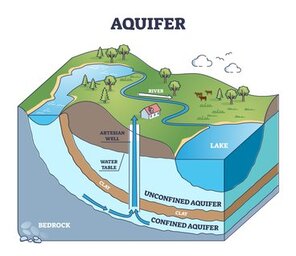
DAY 3: GROUNDWATER
​NOTES-Groundwater
Guided Notes-Groundwater

Aquifers
A Grave Mistake
Picture

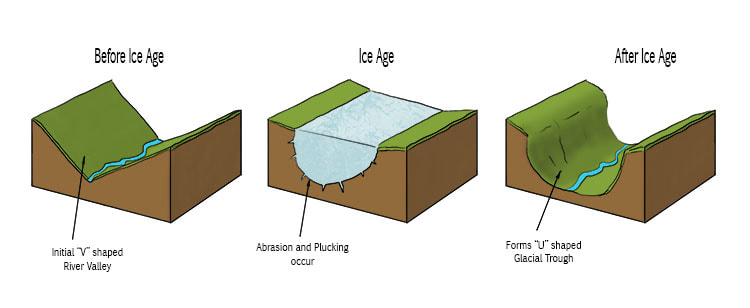
DAY 4: GLACIERS
​NOTES-Glaciers
Guided Notes-Glaciers
Glaciers CK12

Glaciers Maps Skills
Picture

DAY 5: OCEAN BOTTOM
NOTES-Ocean Bottom
Guided Notes-Ocean Bottom
​Ocean Floor Adventure
CK12-Titanic Undertaking

DAY 6: OCEAN WATER
NOTES-Ocean Water
Guided Notes-Ocean Water
Seawater Reading
Ocean Composition
​
HONORS
​Properties of Ocean Water Reading - Use the pdf chapter below
chapter_24_ocean_water.pdf
File Size: 22267 kb
File Type: pdf
Download File


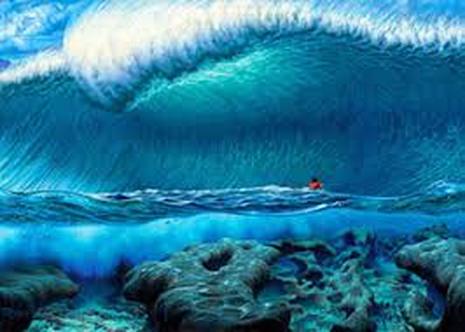
DAY 7: OCEAN CURRENTS
NOTES-Ocean Currents
Guided Notes-Ocean Currents

Ocean Currents
Ocean Currents Reading
Picture

DAY 8: WATER USE
NOTES-Water Use
Guided Notes-Water Use
Global Water Crisis
ENRICHMENT
​Role of Water Interactive Website

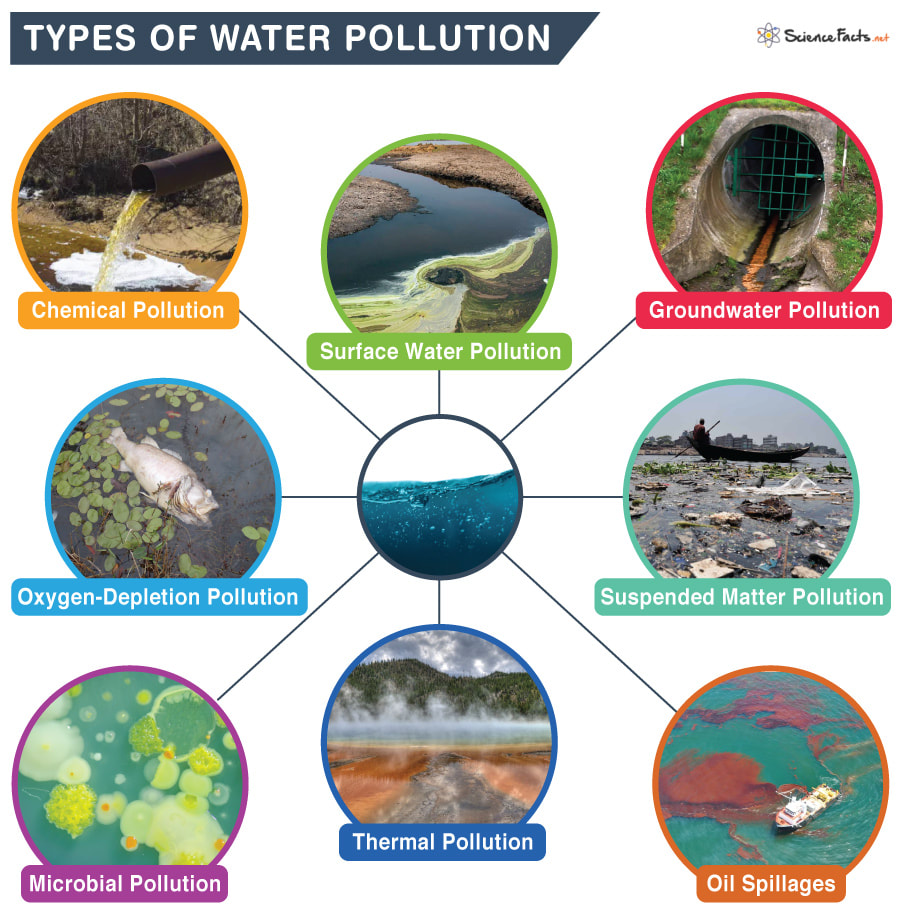
DAY 9: WATER POLLUTION
NOTES-Water Pollution
Guided Notes-Water Pollution
Water Pollution Scenarios
Lake Michigan
Picture

DAY 10: review

water_cycle_cloze.docx
File Size: 20 kb
File Type: docx
Download File

ocean_study_guide.doc
File Size: 157 kb
File Type: doc
Download File

DAY 11: UNIT TEST

<PREVIOUS
NEXT>
Proudly powered by Weebly
  • Home
  • ABOUT
  • COURSES
    • Anatomy
    • Biology >
      • Biology Syllabus
      • Course Content >
        • Unit 1: Intro to Biology
        • UNIT 2: Biochemistry
        • UNIT 3: Cells
        • UNIT 4: Cell Processes
        • UNIT 5: Molecular Genetics
        • UNIT 6: Inheritance Genetics
        • UNIT 7: Evolution & Adaptation
        • UNIT 8: Ecology
        • BIO EOC EXAM REVIEW
    • CHEMISTRY >
      • Chemistry Syllabus
      • Course Content >
        • Unit 1: Intro to Chemistry
        • Unit 2: Thermochemistry
        • Unit 3: Atomic Structure & Nuclear Chem
        • Unit 4: Periodic Table
        • Unit 5: Chemical Bonding
        • Unit 6: Chemical Reactions
        • Unit 7: Stoichiometry
        • Unit 8: Solutions
        • Unit 9: Chemical Equations
        • Unit 10: Acids & Bases
        • Chem Final Exam Review
    • Earth Science >
      • Earth Science Syllabus
      • Course Content >
        • Unit 1: Intro to Earth Science
        • Unit 2: Biosphere & Sustainability
        • Unit 3: Lithosphere (Geology)
        • Unit 4: Hydrosphere
        • Unit 5: Atmosphere
        • Unit 6: Astronomy
        • ES FINAL EXAM REVIEW
    • Marine Science >
      • Marine Syllabus
      • COURSE CONTENT >
        • UNIT 1: INTRO TO MARINE SCIENCE
        • UNIT 2: OCEAN ENVIRONMENT
        • UNIT 3: MICROBES & PRIMARY PRODUCERS
        • UNIT 4: INVERTEBRATES
        • UNIT 5: MARINE FISHES
        • UNIT 6: MARINE REPTILES & BIRDS
        • UNIT 7: MARINE MAMMALS
        • UNIT 8: INTERTIDAL, ESTUARIES & CORAL REEFS
        • UNIT 9: CONTINENTAL SHELVES, OPEN SEA & DEEP OCEAN
        • UNIT 10: HUMANS & THE SEA
        • MS FINAL EXAM REVIEW
      • RESOURCES
    • Physical Science >
      • Phys Sci Syllabus
      • Course Content >
        • Unit 1: Intro to Physical Sci
        • Unit 2: Motion
        • Unit 3: Forces
        • Unit 4: Work, Power & Energy
        • Unit 5: Electricity & Magnetism
        • Unit 6: Waves
        • Unit 7: Matter
        • Unit 8: Atomic Structure
        • Unit 9: The Periodic Table
        • Unit 10: Chemical Bonding
        • Unit 11: Chemical Reactions
        • Unit 12: Acids, Bases & Solutions
        • PS FINAL EXAM REVIEW
  • ENRICHMENT
    • Equine Science
  • ESL
    • ESL Biology
    • ESL Earth Science >
      • Course Content >
        • Welcome
        • UNIT 1: Intro to Earth Science
        • UNIT 2: Environmental Science
        • UNIT 3: Biosphere
        • UNIT 4: Lithosphere
        • UNIT 5: Hydrosphere
        • UNIT 6: Atmosphere
        • UNIT 7: Astronomy
  • TUTORING
  • CONTACT